Choosing the right Summit County home base can shape your whole mountain experience. You may be looking for easier ski access, a walkable downtown, a historic setting, or a property that fits your long-term goals. If you are deciding between Frisco and Breckenridge, it helps to compare how each town actually functions day to day. Let’s dive in.
Frisco vs. Breckenridge at a Glance
Frisco and Breckenridge are both well-known Summit County towns, but they offer different ownership experiences. Frisco presents itself as a central basecamp, while Breckenridge leans into its identity as a historic resort town. That difference can matter just as much as price, floor plan, or view.
Frisco has a year-round population of 3,116 and sits at 9,097 feet. Breckenridge has an estimated permanent population of 4,863 as of 2025, and its seasonal population can rise above 39,000. Breckenridge also sits higher, at about 9,600 feet.
Why Frisco Feels Like a True Home Base
Frisco is often the more practical choice if you want to move around Summit County with ease. The town describes itself as a basecamp in the heart of the county, and that central location shows up in everyday use. If your ideal weekend includes multiple ski areas, quick errands, and easy regional access, Frisco has a clear advantage.
According to the town, Frisco is within about 30 minutes of six ski resorts. It lists Copper Mountain at 7 minutes, Breckenridge Ski Resort at 15 minutes, Keystone at 20 minutes, Loveland at 20 minutes, Arapahoe Basin at 25 minutes, and Vail Mountain at 30 minutes. It also offers access to the free Summit Stage bus system.
Frisco also promotes a compact mountain-town feel centered around Main Street, Dillon Reservoir, and year-round outdoor activity. Skiing, biking, sailing, hiking, and local events all play into that everyday basecamp identity. For many buyers, that means Frisco feels flexible, efficient, and easy to use in all seasons.
Why Breckenridge Stands Out
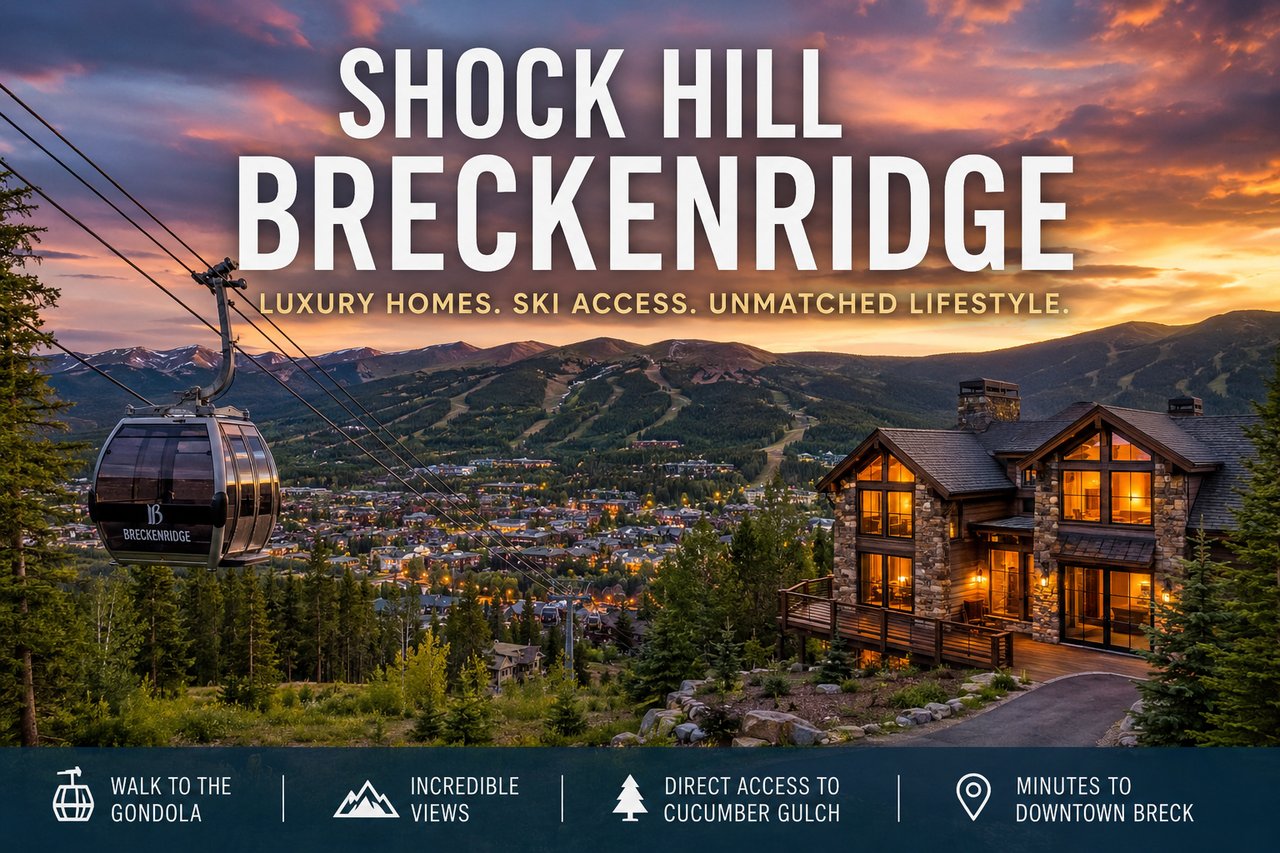
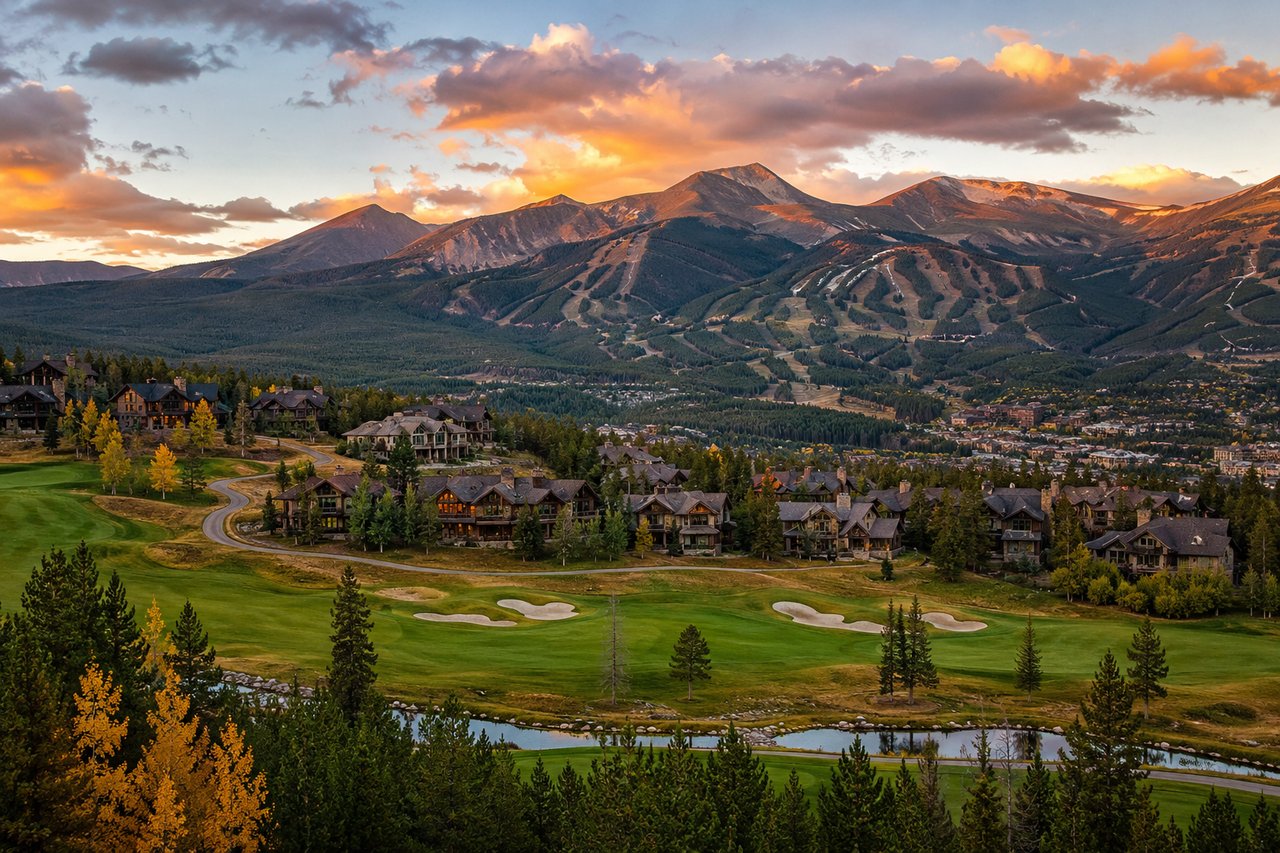
Breckenridge tends to appeal to buyers who want a stronger sense of place right outside their door. The town is known for its historic district, resort-town energy, and year-round activity. If you want your home base to feel iconic and distinctly Breckenridge, this setting can be hard to replicate.
The town describes its Historic District as one of the largest in Colorado, and preservation of historic character remains a core part of its planning goals. Breckenridge also highlights its alpine environment, year-round vitality, and Certified Dark Sky Community status. That gives the town a more curated and preservation-focused feel.
Breckenridge is also investing in a multi-modal transportation system that connects the ski area base, parking, downtown, and the broader region. Town planning emphasizes transit improvements, electric buses, and reduced car dependence in response to traffic and peak visitor demand. If you value in-town movement more than countywide positioning, that can be a meaningful benefit.
Access and Mobility Differences
If your priority is reaching several parts of Summit County quickly, Frisco is the stronger launch point. Its location supports easy movement between major recreation areas, services, and surrounding mountain towns. That can be especially useful for second-home owners who want variety without too much driving.
Breckenridge works differently. Instead of acting as the center point for the county, it focuses more on making movement within town and between key local destinations more manageable. That setup can feel appealing if you expect to spend most of your time in Breckenridge itself.
There is also a modest elevation difference to consider. Breckenridge sits about 503 feet higher than Frisco. That may not sound dramatic, but some buyers notice that elevation when thinking about arrival day, sleep, and acclimation.
Housing Style and Development Feel
Frisco and Breckenridge both offer a mix of property types, but the planning context feels different. In Frisco, official town materials reference hundreds of new residential units and show a range of homes, townhomes, and condos. That points to a mixed and growing housing base.
For buyers, that can translate into a market that feels somewhat more straightforward in form and function. You may still find a range of ownership styles, but the town reads more like an expanding mountain community than a highly managed historic environment. That distinction can affect how a property fits your goals.
Breckenridge also offers a wide range of housing types, including single-family homes, cottages, duplexes, townhomes, apartments, and condos. However, town planning materials put more emphasis on housing diversity, architecture, and development controls. The result is a market that often feels more shaped by policy, design review, and preservation goals.
Historic District Considerations in Breckenridge
If you are drawn to Breckenridge’s core, it is important to understand the Historic and Conservation District. The town requires design review for new construction and changes to existing buildings within that area. In much of the Historic District, density is limited to 9 units per acre.
That does not make ownership harder by default, but it does make it more regulated and more context-specific. For some buyers, that structure is a major positive because it helps protect the town’s historic character. For others, it may mean a more detailed review process when considering updates or future plans.
Short-Term Rental Rules Matter in Both Towns
If rental income is part of your decision, both Frisco and Breckenridge should be treated as regulated short-term rental markets. Neither town is a set-it-and-forget-it environment. Rules, fees, and license availability can shape what is realistic before you even start narrowing properties.
In Frisco, each short-term rental unit requires its own license. The town says the total tax to be collected and remitted is 15.725%, the application fee is $250 per year, and licenses expire April 30. Owners must also designate a 24/7 emergency contact, submit a parking plan, and follow occupancy limits of 2 people per bedroom plus 4 additional occupants.
Frisco’s short-term rental cap is one of the biggest factors for buyers. The town says its ordinance capped licenses at 25% of residential housing stock. With 3,600 residential units, that implies a maximum of 900 licenses, and the town says it reached that cap in February 2023 and moved to a waitlist.
Breckenridge also requires a valid short-term rental license for each property. Its system is zone-based, and licenses are capped and regulated by zone. The town also states that short-term rental licenses are non-transferable and non-refundable when a property is sold.
Breckenridge’s regulatory fee is another key point. The town says acquisition of an accommodation-unit license requires payment of $756 per studio or bedroom per year. It also requires the license number to appear in advertising, and owners who short-term lease their homes must collect and remit the town’s accommodation and sales taxes.
Which Town Fits Your Goals Best?
If you want a practical launch point with fast access to multiple resorts, Frisco is often the better fit. It is especially appealing if you picture your home as a flexible mountain base for skiing, biking, lake time, and movement across the county. Buyers who value centrality and ease often respond well to Frisco.
If you want a home base with stronger resort identity and historic character, Breckenridge may be the better match. It can feel more immersive, more destination-driven, and more architecturally shaped by local planning. Buyers who care deeply about setting, downtown character, and a distinct sense of place often start there.
For investment-minded buyers or second-home owners, the short-term rental question deserves early attention. In Frisco, the waitlisted license environment can be a major factor. In Breckenridge, zone rules, per-bedroom fees, and non-transferable licenses can have a direct effect on your ownership strategy.
A Smart Way to Compare Frisco and Breckenridge
The best comparison is not just town versus town. It is lifestyle, use case, and property type. A well-located condo in Frisco may serve one buyer better than a single-family home in Breckenridge, while another buyer may feel exactly the opposite.
That is why local guidance matters in Summit County. When you look beyond the postcard version of each town and focus on access, planning context, and ownership rules, the right fit usually becomes much clearer. Working through those details early can save time and help you buy with more confidence.
If you are weighing Frisco against Breckenridge, Sara Gambino can help you compare the real ownership differences, narrow your options, and find the Summit County home base that fits the way you want to live.
FAQs
Is Frisco or Breckenridge better for access to multiple ski resorts?
- Frisco is generally the stronger choice for multi-resort access because the town says it is within about 30 minutes of six ski resorts, including Copper Mountain, Breckenridge, Keystone, Loveland, Arapahoe Basin, and Vail.
Does Breckenridge have a stronger historic-town feel than Frisco?
- Yes. Breckenridge emphasizes its Historic District, which the town says is one of the largest in Colorado, and local planning strongly focuses on preserving historic character.
Are short-term rentals regulated in both Frisco and Breckenridge?
- Yes. Both towns require property-specific short-term rental licenses and have detailed local rules, fees, and operating requirements that buyers should review early in the process.
Is it harder to get a short-term rental license in Frisco?
- It can be. Frisco says its short-term rental licenses are capped at 25% of residential housing stock, that the cap was reached in February 2023, and that the town began using a waitlist.
What should buyers know about Breckenridge short-term rental licenses?
- Buyers should know that Breckenridge uses a zone-based licensing system, charges a regulatory fee of $756 per studio or bedroom per year, and states that licenses are non-transferable when a property is sold.
Does elevation differ between Frisco and Breckenridge?
- Yes. Frisco sits at 9,097 feet and Breckenridge sits at about 9,600 feet, so Breckenridge is roughly 503 feet higher.